Key Insights for Practitioners
- Determine surgical procedural demands and tactile feedback requirements before selecting instrument patterns.
- Evaluate German stainless steel composition (AISI 410, 420, 440) for edge retention versus corrosion resistance.
- Verify manufacturer passivation certifications and ISO 13485 batch traceability for dependable sterilization cycles.
Choosing the right surgical instruments is an important decision for any practice that depends on consistent, precise, and practical equipment. Whether you are purchasing instruments for a clinic, hospital, specialist practice, or commercial operation, the right selection should match the procedures being performed and the way the instruments will be used every day.
A good purchasing decision involves more than selecting a familiar instrument from a catalog. Design, handling, size, intended use, set composition, supplier reliability, and repeat availability can all influence whether an instrument remains practical over time.
The same applies when comparing different surgical instruments manufacturers or choosing a surgical instruments supplier. Buyers need clear specifications and suitable products rather than simply the lowest price.
This guide explains how to choose surgical instruments, what to evaluate before buying, how to plan a surgical instrument set, and what commercial buyers should consider when sourcing OEM surgical instruments, custom surgical instruments, or surgical instruments wholesale.
Understand the Procedure Before Choosing Surgical Instruments
The best place to begin is the procedure itself. Before comparing products, determine exactly what the instruments need to do.
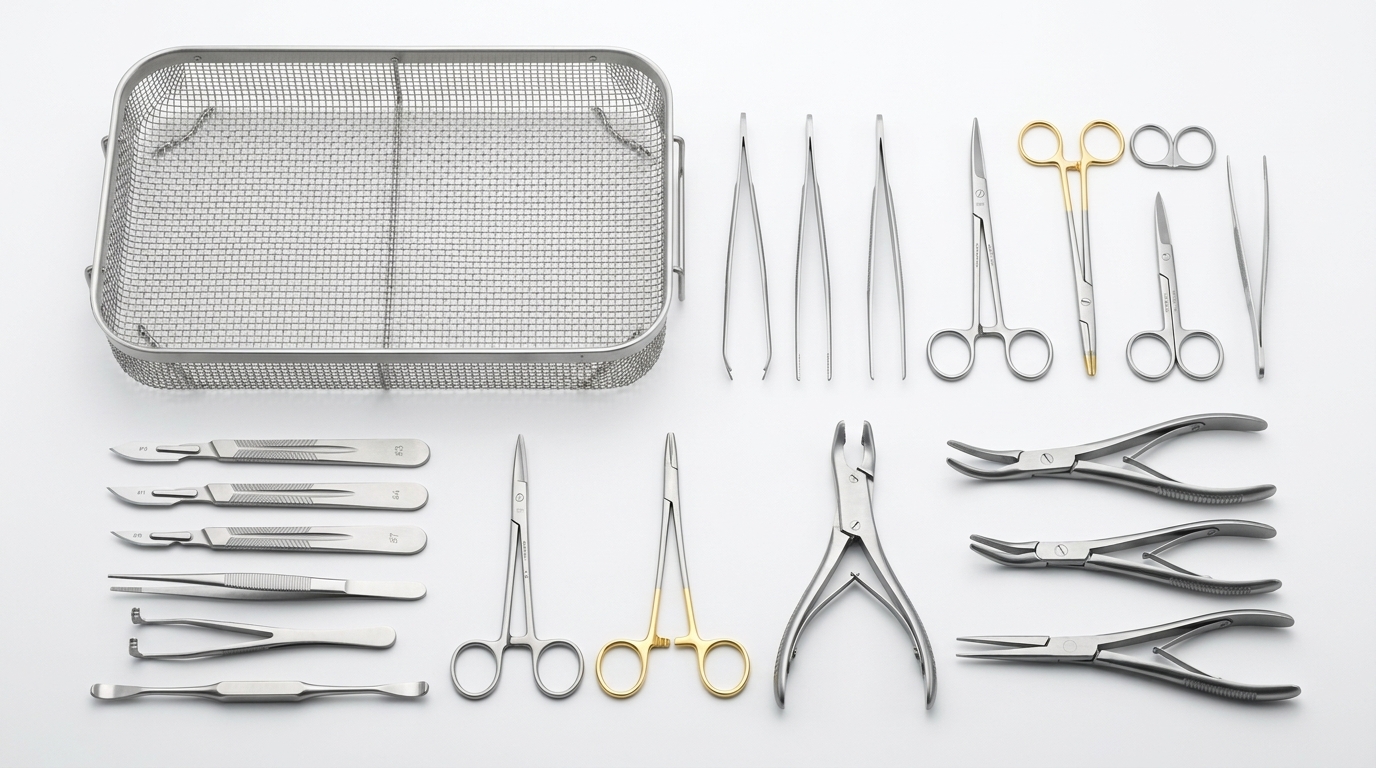
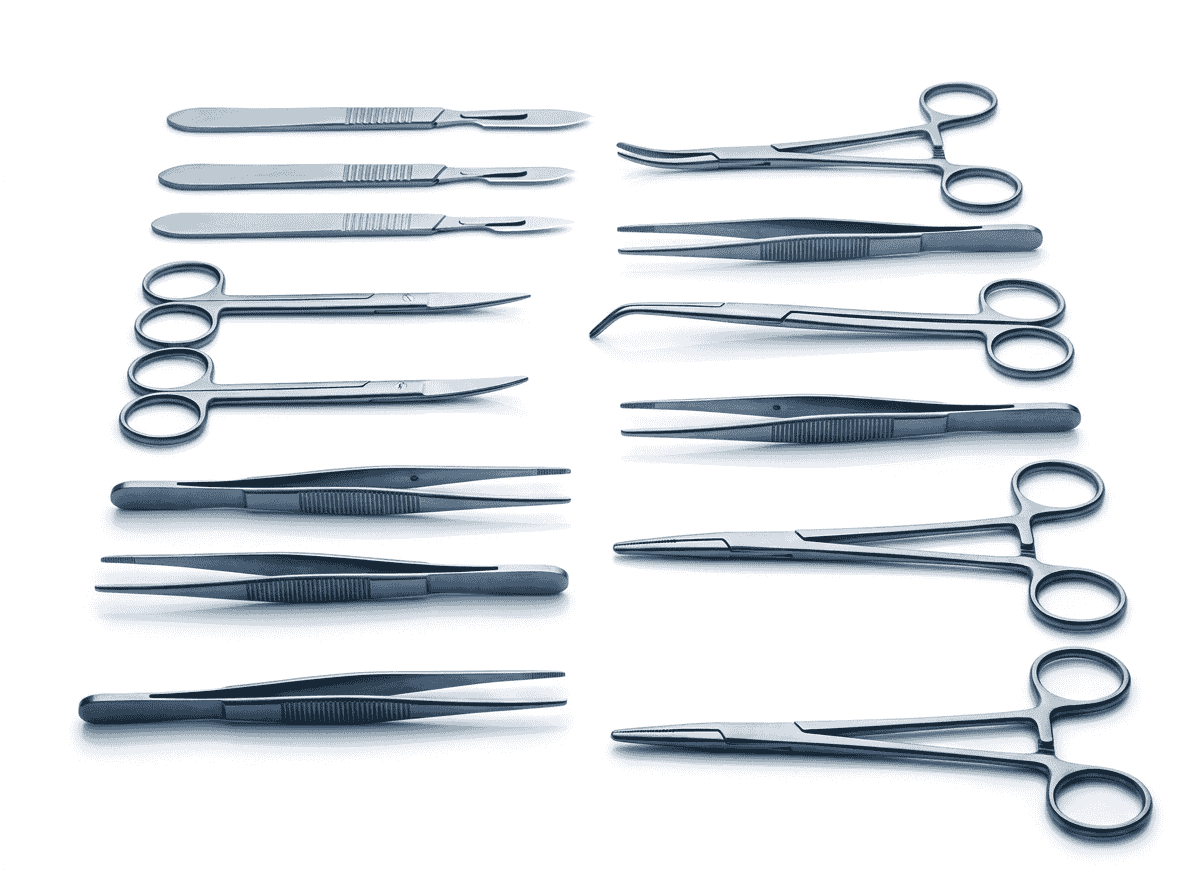
Different medical surgery instruments are designed for different tasks. Some are intended for cutting, while others are used for grasping, clamping, retracting, holding, or supporting other parts of a procedure. The right instrument depends on how it will be used, not simply on how common the pattern is.
Understanding types surgical instruments also helps buyers avoid unnecessary purchases. A practice that performs a narrow range of procedures may require a focused selection, while a larger facility may need several different configurations.
When considering how to choose the right surgical instruments, ask what procedure the instrument will support, how frequently it will be used, what size or pattern is required, and what handling characteristics are preferred.
Starting with the procedure makes the rest of the selection process more logical. It also helps prevent buying instruments that look suitable in a catalog but do not fit the actual working environment.
Evaluate Design, Handling, and Overall Suitability
Once the intended use is clear, the next step is evaluating the physical design of the instrument.
Quality surgical instruments should feel appropriate for the task they are expected to perform. The instrument should open, close, grip, cut, or lock consistently where those functions apply.
Alignment is particularly important. Tips and working ends should meet as intended, while joints and moving components should operate smoothly. Instruments with locking mechanisms should engage in a controlled and predictable way.
Handling should also be considered. Length, weight, grip, balance, and working-end design can influence how comfortable and practical an instrument feels during repeated use.
This is why answering what to consider when buying surgical instruments requires more than simply looking at price or appearance. A product needs to match the procedure, the user, and the way the practice operates.
Reprocessing requirements should also be reviewed according to the product information supplied with the instrument. Buyers should make sure the instrument is appropriate for the way it will be handled and prepared between uses.
How to Choose Surgical Instrument Sets for Your Practice
A surgical instrument set should be organized around actual procedural requirements rather than the number of pieces included.
When learning how to choose surgical instrument sets, start by identifying the instruments that are consistently required for the procedure. Separate essential items from instruments that are only occasionally needed.
A useful set should be complete enough to support the intended work without becoming unnecessarily complicated.
Consistency between instruments is also important. Sizes, patterns, and functions should make sense together. A set that contains several unnecessary variations may create more confusion than value.
Practices should also think about how the set will be managed over time. Individual instruments may eventually need replacement, so the ability to source compatible products again can be useful.
For commercial buyers, a clearly defined surgical instrument set can also make repeat ordering easier. Once the required configuration has been established, future purchases can follow the same specifications rather than starting the selection process again.
Compare Surgical Instruments Manufacturers and Suppliers Carefully
The company supplying the instruments is an important part of the buying decision.
When comparing surgical instruments manufacturers, look for clear product information, consistent specifications, professional communication, and the ability to support repeat orders.
A reliable surgical instruments supplier should make it easier for a buyer to identify the correct product rather than create more uncertainty.
If several sizes or patterns are available, the supplier should be able to work from the information provided by the customer. Clear communication becomes especially important for larger orders, where a misunderstanding can affect many products rather than a single instrument.
Commercial buyers should also consider whether the surgical instruments manufacturer can support future requirements. If the practice, distributor, or business needs the same specifications again, repeat availability becomes important.
The relationship matters even more when purchasing surgical instruments wholesale, where order quantities may be larger and consistency between products is more important.
What to Consider When Buying Surgical Instruments
If you are deciding what to consider when buying surgical instruments, price should be only one part of the evaluation.
Start with intended use and specifications. The instrument should match the procedure and working requirements of the practice. Then consider handling, design, product information, supplier reliability, and repeat availability.
It is also useful to think beyond the first order.
If an instrument is frequently used and later needs replacement, will the same size or pattern be available again? Can the supplier identify the same specification easily? Can additional units be ordered without unnecessary uncertainty?
Standardizing commonly used medical surgery instruments can make future purchasing more organized, particularly for larger practices.
Before placing a larger order, buyers may also want to confirm specifications carefully and make sure the requested products match their requirements.
A dependable surgical instruments supplier should support this process with clear communication and accurate product information.
OEM Surgical Instruments, Custom Surgical Instruments, and Wholesale Orders
Not every buyer requires a standard catalog product.
Distributors, brands, and larger commercial buyers may require OEM surgical instruments based on agreed specifications. Other buyers may need custom surgical instruments when a standard product does not fully match their requirements.
For these orders, communication becomes particularly important.
Product pattern, dimensions, quantity, marking, packaging, finish, and other agreed requirements should be confirmed clearly before production or ordering. The more precise the specification, the lower the chance of misunderstanding.
The same principle applies to surgical instruments wholesale. Buyers should confirm the products, quantities, specifications, and commercial requirements before placing a larger order.
A professional surgical instruments manufacturer should make it clear which products are standard, which can be supplied under OEM requirements, and which requests require customization.
StahlForge works with buyers looking for standard products, OEM surgical instruments, custom surgical instruments, and surgical instruments wholesale based on requested specifications and quantities.
Choosing the Right Surgical Instruments Supplier for Long-Term Purchasing
A purchasing decision should continue to make sense after the first order.
For practices and commercial buyers that need instruments regularly, working with a dependable surgical instruments supplier can make future procurement much easier.
Clear specifications are particularly valuable. Instead of relying only on product appearance, buyers can maintain a record of the exact patterns, sizes, and configurations they use.
This makes it easier to replace individual products or reorder a complete surgical instrument set when necessary.
A supplier relationship can also become more important as purchasing requirements grow. A small practice may initially need individual instruments, while a distributor or larger buyer may later require surgical instruments wholesale, OEM products, or customized requirements.
When comparing suppliers, focus on communication, product information, consistency, and whether the company can understand your specific purchasing requirements.
For buyers considering StahlForge, providing clear product requirements, sizes, quantities, and any OEM or customization details can make the selection process more efficient.
Conclusion
Choosing the right surgical instruments is about matching the product to the procedure, the user, and the long-term needs of the practice. A well-selected instrument should make sense not only when it is first purchased but also when it needs to be replaced or reordered later.
Understanding how to choose the right surgical instruments means looking beyond price. Intended use, design, handling, specifications, set composition, supplier reliability, and repeat availability all deserve consideration.
The same approach becomes even more important for businesses purchasing a surgical instrument set, placing a surgical instruments wholesale order, or sourcing OEM surgical instruments and custom surgical instruments.
Working with an experienced surgical instruments manufacturer or surgical instruments supplier can make the purchasing process more organized when multiple sizes, patterns, quantities, or specifications are involved.
StahlForge supports professional and commercial buyers looking for surgical instruments based on their required products, specifications, and quantities. A careful selection process from the beginning can help buyers create a more consistent and practical setup for long-term use
Frequently Asked Questions
Common questions from surgical coordinators, veterinarians, and procurement directors.
How to choose surgical instruments for a practice?
Start with the procedure and intended use. Then compare design, handling, specifications, supplier reliability, and whether the same product can be sourced again when required.
What should I consider when buying surgical instruments?
When considering what to consider when buying surgical instruments, focus on intended use, size, design, handling, product specifications, supplier reliability, and repeat availability.
Why is choosing the right surgical instruments supplier important?
A reliable surgical instruments supplier can provide clearer product information, support correct product selection, and make repeat purchasing more organized.
What should I check before placing a surgical instruments wholesale order?
Before placing a surgical instruments wholesale order, confirm the product specifications, quantities, supplier communication, and expectations for repeat purchasing.